How does a Temperature sensor work?
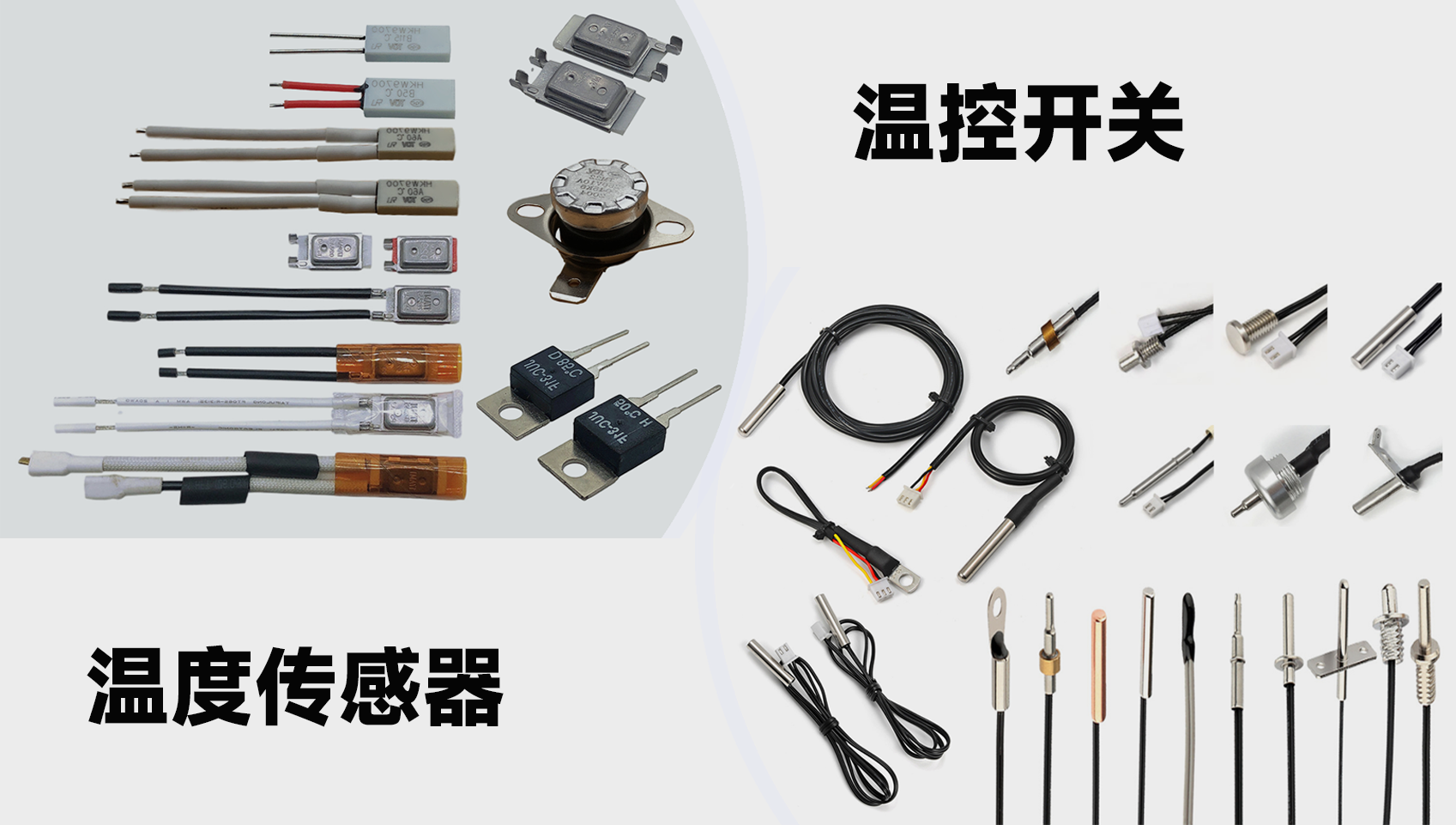
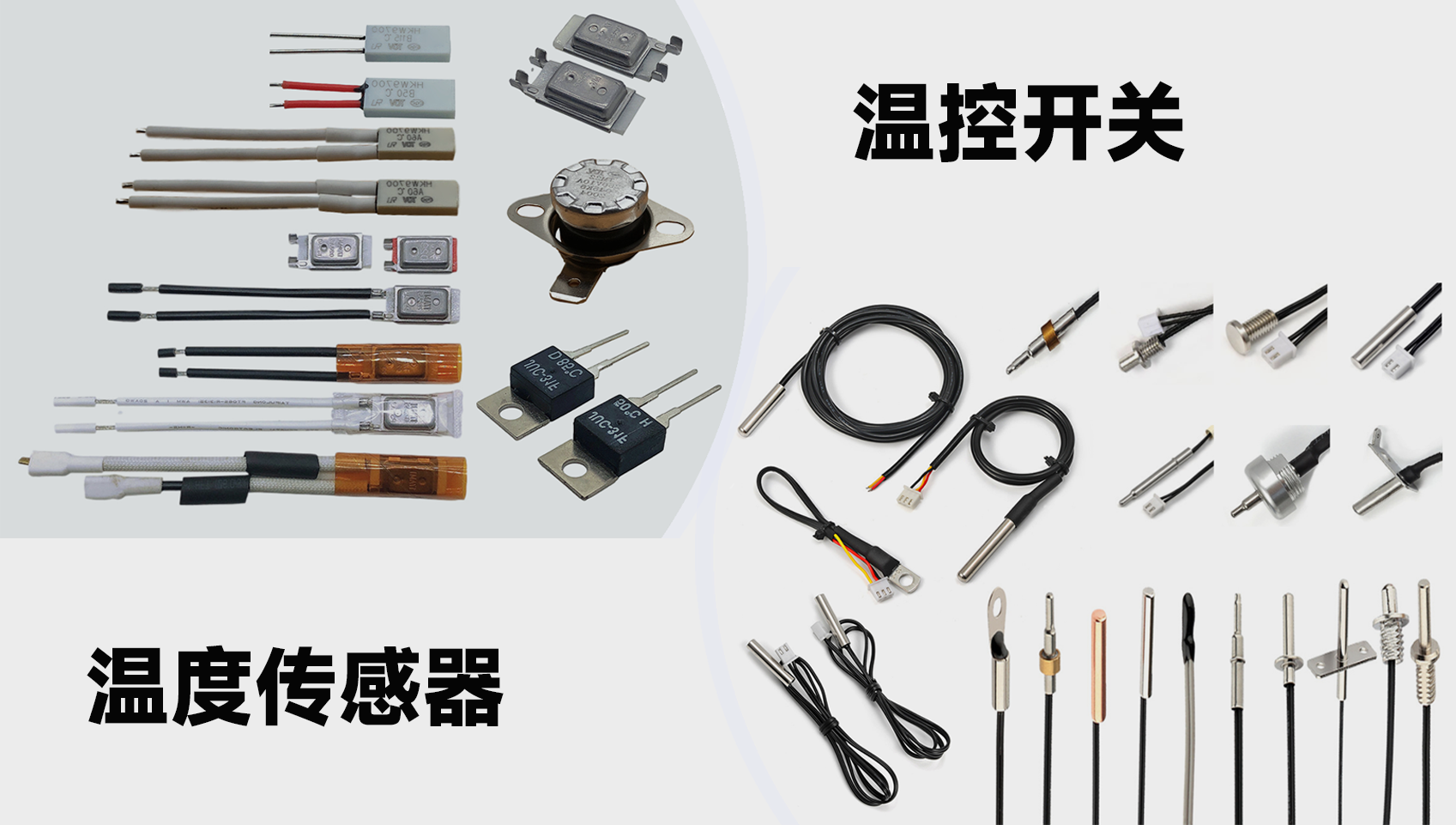
A Temperature sensor is a sensor that senses the temperature and transforms it into a usable output signal. Temperature sensor is the core part of temperature measuring instrument, variety. According to the measurement method, it can be divided into contact and non-contact two types, and according to the characteristics of sensor materials and electronic components, thermal resistance and thermocouple.
Main classification of the temperature sensors
According to the measurement method, it can be divided into two categories: contact temperature sensor and non-contact temperature sensor. According to the characteristics of sensor materials and electronic components, it is divided into two categories: thermal resistance temperature sensor and thermocouple temperature sensor.
1.contact type: the detection part of the contact temperature sensor has good contact with the measured object, also known as the thermometer.
The thermometer reaches thermal equilibrium by conduction or convection, so that the schematic value of the thermometer can directly represent the temperature of the measured object. The general measurement accuracy is relatively high. In a certain range of temperature measurement, the thermometer can also measure the temperature distribution inside the object. But for the moving body, small target or small heat capacity will produce a large measurement error, commonly used thermometer has bimetalal thermometer, glass liquid thermometer, pressure thermometer, resistance thermometer, thermistor and thermocouple.
2.non-contact type: its sensitive components and the measured object do not contact each other, also known as non-contact type temperature measuring instrument. Such instruments can be used to measure the surface temperature of moving objects, small objects, and objects with small or rapid temperature changes (transient) heat capacity, and also to measure the temperature distribution of a temperature field.
Commonly used non-contact temperature measuring instrument based on the basic law of black body radiation, called radiation temperature measuring instrument. Radiation temperature measurement includes luminance (see optical galvanometer), radiation (see radiation thermometer) and colorimetric (see colorimetric thermometer). All kinds of radiation temperature measurement methods can only measure the corresponding luminosity temperature, radiation temperature or colorimetric temperature. Only the temperature measured in blackbodies (objects that absorb all the radiation and do not reflect light) is the true temperature.
Advantages of non-contact temperature measurement: the upper limit of measurement is not limited by the temperature resistance degree of the temperature sensing elements, so there is no limit to the high measurable temperature of ZUI in principle. For the high temperature above 1,800℃, the non-contact temperature measurement method is mainly used. With the development of infrared technology, radiation temperature measurement is gradually expanded from visible light to infrared, below 700℃ until room temperature has been adopted, and the resolution is very high.
How does a pressure sensor work?
How does a pressure sensor work?
Related Article